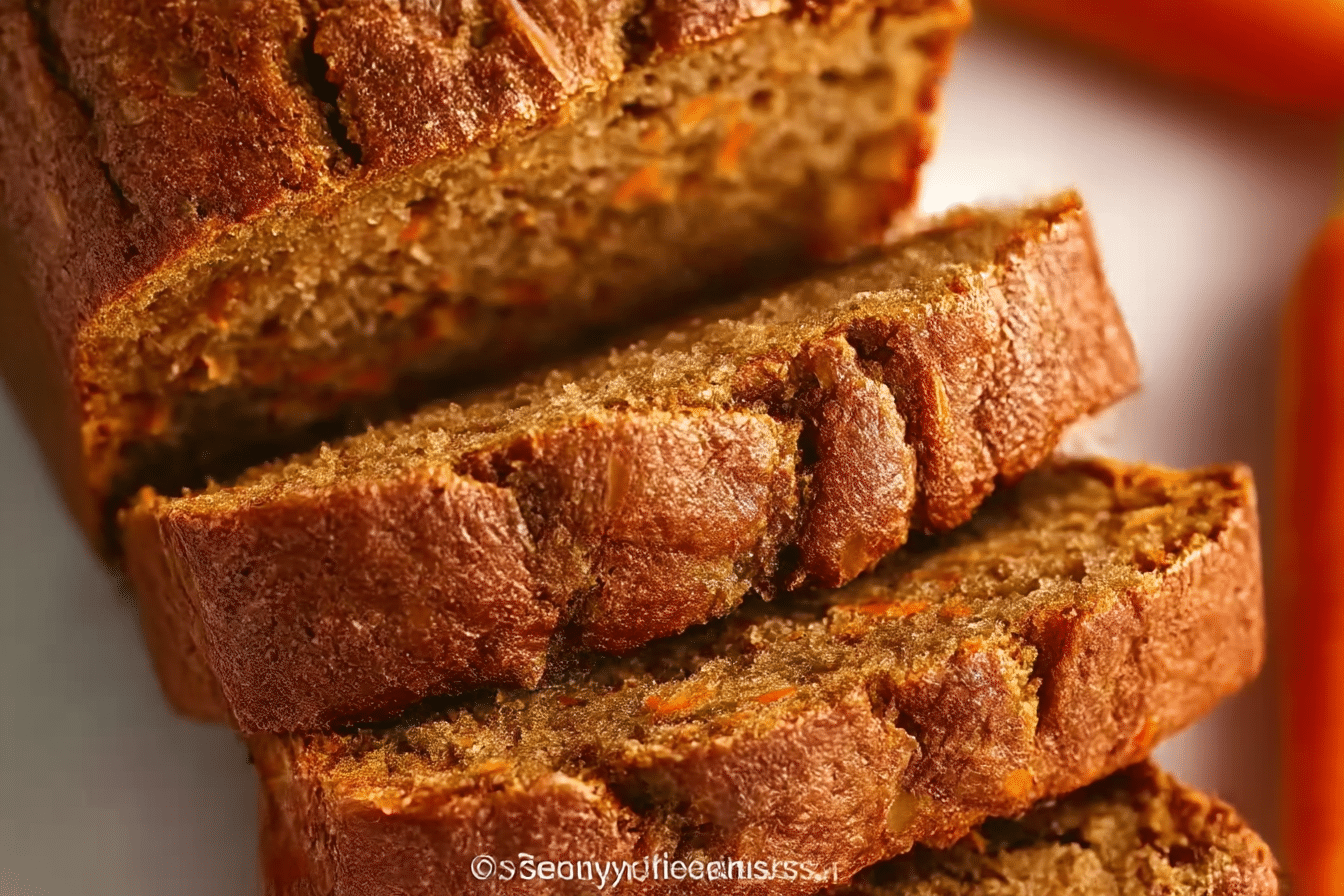
The Ultimate Homemade Carrot Bread: A Symphony of Flavor, Moisture, and Convenience
There are few aromas as comforting and inviting as that of freshly baked bread wafting through the kitchen. When that scent is spiced with cinnamon and nutmeg, and hints at a moist, sweet interior, you know you're in for a truly special treat. Welcome to the world of homemade carrot bread—a beloved classic that offers a perfect balance of sweetness, warmth, and texture. Far from being just another quick bread, the ultimate Easy Homemade Carrot Bread is a culinary masterpiece that promises unrivaled moisture, rich flavor, and the fantastic convenience of being freezer-friendly. It’s a versatile delight, perfect for a cozy breakfast, a satisfying afternoon snack, or even a simple dessert with a cup of coffee or tea. This article will guide you through crafting a loaf that truly earns its "ultimate" title, ensuring every slice is a comforting hug in bread form.
The Secret to Unrivaled Moisture and Flavor in Your Carrot Bread
What sets an "ultimate" loaf of homemade carrot bread apart from the rest? It’s a harmonious blend of carefully selected ingredients and clever techniques that lock in moisture and amplify taste. The foundation of exceptional moisture lies in several key components. Firstly, freshly grated carrots are paramount. While pre-shredded carrots might save a few minutes, they often lack the inherent moisture of fresh carrots and can be drier, leading to a less tender crumb. Fine grating ensures the carrot bits are evenly distributed, imparting moisture throughout the loaf without creating large, noticeable chunks.
Beyond the carrots themselves, the choice of fat plays a significant role. Vegetable oil is a classic for its neutral flavor and ability to keep quick breads incredibly moist. However, incorporating unsweetened applesauce, as often recommended, is a brilliant trick. Applesauce not only contributes additional moisture but also a subtle sweetness and a tenderizing effect, allowing you to potentially reduce the overall oil content without compromising texture. Some bakers even swear by plain yogurt for a similar effect, adding a slight tang that beautifully complements the sweetness.
Flavor is equally crucial. The classic spice profile of cinnamon and a touch of nutmeg is non-negotiable, infusing the bread with that signature warm, inviting aroma. For an extra layer of complexity, a hint of ground ginger can elevate the spice blend, adding a subtle peppery warmth that sings alongside the sweet carrots. The combination of both granulated and brown sugar is also key—granulated sugar provides structure and crispness, while brown sugar adds depth, a slight chewiness, and an undeniable caramel-like richness that truly rounds out the flavor profile. Together, these elements create a quick bread that's not just sweet, but deeply flavorful and wonderfully moist from the first bite to the last.
Crafting Your Loaf: Essential Ingredients and Smart Substitutions
Every great recipe begins with understanding its building blocks. For our ultimate homemade carrot bread, each ingredient contributes to its perfect texture and taste. Here's a breakdown of the essentials and how you can adapt them to your preferences:
- All-Purpose Flour: This forms the primary structure of your bread, ensuring a classic, light crumb. For those seeking a healthier alternative, whole wheat flour can be used, but be aware it will result in a denser loaf. A blend of all-purpose and whole wheat (e.g., 50/50) can offer a good compromise.
- Carrots: As emphasized, freshly grated is king for moisture and vibrant flavor. Aim for finely grated carrots to ensure even distribution and a smooth texture. If you're feeling adventurous or have a surplus, shredded zucchini can replace some of the carrots for a delightful, moist twist (just squeeze out excess moisture from zucchini first!).
- Vegetable Oil: A fantastic moisturizer. You can substitute it with melted coconut oil for a subtle tropical note, or use additional unsweetened applesauce for a lighter, fruitier profile. Plain full-fat yogurt or even mashed ripe banana can also be used as partial or full replacements for a different twist on moisture and flavor.
- Sugars (Granulated & Brown): The combination provides a balanced sweetness and contributes to the bread's moist, tender crumb. If you're looking to reduce sugar, you can decrease the amounts slightly, or experiment with natural sweeteners like honey or maple syrup. However, be mindful that liquid adjustments may be necessary with liquid sweeteners.
- Eggs: Act as a binder, provide structure, and contribute to leavening, ensuring your bread rises beautifully and holds together.
- Leavening Agents (Baking Powder & Baking Soda): These are crucial for creating a light and airy texture. Ensure they are fresh for optimal lift.
- Spices (Cinnamon, Nutmeg, optional Ginger): The heart of the bread's comforting aroma and taste. Always use fresh, high-quality spices for the best flavor. A dash of pumpkin pie spice can also be used for convenience and a similar profile.
- Unsweetened Applesauce: Beyond moisture, it adds a subtle sweetness and a wonderfully tender crumb. Plain yogurt is an excellent substitute if you don't have applesauce on hand.
- Vanilla Extract: A universal flavor enhancer that rounds out the sweet and spicy notes.
- Salt: Often overlooked, salt is vital for balancing the sweetness and enhancing all other flavors in the bread.
- Nuts (Optional Walnuts or Pecans): For those who love a textural contrast, chopped walnuts or pecans add a delightful crunch and nutty richness. If nut allergies are a concern, feel free to omit them or substitute with seeds like sunflower or pumpkin seeds for a similar textural element.
By understanding the role of each component, you gain the confidence to adapt this Simple Carrot Bread Recipe: Perfect Spiced Warmth for Breakfast & Snacks to your dietary needs or flavor preferences, making it truly your own.
Achieving Perfection: Expert Tips for a Fluffy, Tender Texture
Baking homemade carrot bread isn't just about mixing ingredients; it's about mastering techniques that ensure a consistently moist, fluffy, and tender result every time. These expert tips will elevate your baking game:
- Mindful Mixing is Key: This is arguably the most crucial tip for any quick bread. When combining your wet and dry ingredients, mix just until they are barely combined. Overmixing develops the gluten in the flour, leading to a tough, dense bread rather than a light and fluffy one. A few lumps are perfectly fine; resist the urge to beat them out.
- Grate Carrots Finely: Reiterate this point, as it cannot be stressed enough. Finely grated carrots (using the small holes of a box grater) distribute moisture evenly throughout the batter and melt into the bread's texture. Coarsely grated carrots can leave the bread feeling chunkier and potentially less moist in certain spots.
- The Toothpick Test for Doneness: Baking times can vary significantly between ovens and loaf pans. Instead of strictly adhering to the recipe's time, rely on the toothpick test. Insert a toothpick into the center of the loaf; if it comes out clean (without any wet batter clinging to it), your bread is ready. If there's wet batter, bake for a few more minutes and re-test. A few moist crumbs are acceptable, indicating a perfectly tender interior.
- Proper Cooling Prevents Soggy Bottoms: Once out of the oven, allow your carrot bread to cool in the pan for about 10-15 minutes. This allows the loaf to set and firm up without collapsing. After this initial cooling, transfer it to a wire rack to cool completely. Cooling on a rack allows air to circulate around all sides, preventing condensation from making the bottom soggy and ensuring the bread's structure is fully stable.
- Room Temperature Ingredients: For optimal emulsion and a smoother batter, ensure your eggs, applesauce, and any other refrigerated wet ingredients are at room temperature. This helps them incorporate more evenly with the other ingredients.
- Prepare Your Pan Properly: Lightly grease and flour your loaf pan, or line it with parchment paper, leaving an overhang on the sides. This simple step guarantees easy removal of your beautiful loaf, preventing sticking and frustration.
By following these guidelines, you're not just baking carrot bread; you're crafting an experience that promises a consistently delightful texture and taste.
Beyond the Bake: Storage, Freezing, and Serving Suggestions
One of the most appealing aspects of homemade carrot bread is its incredible versatility, not just in flavor, but in its storage capabilities. This truly is a freezer-friendly marvel, making it perfect for meal prep, unexpected guests, or simply ensuring you always have a comforting slice on hand.
Freezing for Future Enjoyment:
To freeze your carrot bread, ensure it is completely cooled first. Warm bread will create condensation and ice crystals, leading to a soggy texture when thawed. You have a few options:
- Whole Loaf: Wrap the entire cooled loaf tightly in plastic wrap, then an additional layer of aluminum foil. This double layer protects against freezer burn.
- Individual Slices: For ultimate convenience, slice the cooled loaf, then wrap individual slices in plastic wrap before placing them in a freezer-safe bag or container. This allows you to thaw just what you need.
Frozen carrot bread can last beautifully for up to 2-3 months. To thaw, simply unwrap and let it come to room temperature on the counter, or warm individual slices gently in the microwave or toaster oven for a "freshly baked" experience.
Optimal Storage for Freshness:
For short-term storage, keep your cooled homemade carrot bread in an airtight container at room temperature for up to 3-4 days. If your kitchen is particularly warm or humid, or if you plan to keep it longer, store it in the refrigerator for up to a week. The airtight seal is crucial to prevent it from drying out.
Serving Suggestions:
The beauty of carrot bread lies in its simplicity, making it wonderful on its own. However, a few accompaniments can elevate the experience:
- Classic with Butter: A simple spread of softened butter enhances its rich flavor.
- Cream Cheese Frosting: For a more indulgent treat, mimic a carrot cake by topping it with a tangy cream cheese frosting.
- Simple Glaze: A quick drizzle of powdered sugar glaze (powdered sugar mixed with a touch of milk or orange juice) adds a touch of sweetness and elegance.
- Toasted: A slice lightly toasted in a toaster oven brings out its warmth and a slightly crisp exterior.
- Breakfast or Brunch: Serve alongside fresh fruit, yogurt, or a hot beverage for a delightful start to your day.
Customizing Your Carrot Bread: Endless Possibilities
Once you've mastered the basic recipe for homemade carrot bread, the opportunities for customization are boundless. This quick bread serves as a fantastic canvas for your culinary creativity:
- Add-ins Galore:
- Dried Fruits: Raisins, golden raisins, chopped dates, cranberries, or even dried apricots add chewy texture and bursts of sweetness.
- Chocolate: White chocolate chips, dark chocolate chunks, or milk chocolate chips can turn your carrot bread into a decadent dessert.
- Coconut: Shredded coconut (sweetened or unsweetened) adds a tropical flair and lovely texture.
- Ginger: Candied ginger, finely chopped, provides a delightful spicy kick and chewy sweetness.
- Spice Variations: Experiment with additional warm spices like cardamom, allspice, or a touch more ginger for a bolder flavor profile. A pinch of black pepper might even surprise you by enhancing the other spices!
- Citrus Zest: The zest of an orange or lemon can brighten the entire flavor profile, adding a refreshing counterpoint to the sweetness and spices.
- Streusel Topping: For an extra layer of texture and sweetness, sprinkle a simple streusel (flour, sugar, butter, cinnamon) over the top before baking.
- Nutty Variations: Beyond walnuts and pecans, consider adding slivered almonds or even a mixed nut blend for different flavors and textures.
These additions can be incorporated into the batter along with the carrots, typically in amounts of 1/2 to 1 cup, depending on your preference. Remember to fold them in gently at the very end of the mixing process.
Baking homemade carrot bread is a truly rewarding experience, filling your home with incredible aromas and your pantry with a versatile, comforting treat. By embracing the tips for ultimate moisture, exploring smart ingredient substitutions, and confidently customizing your loaf, you’re not just making a quick bread – you're crafting a masterpiece. Whether enjoyed warm with a pat of butter, dressed up with a luxurious cream cheese frosting, or tucked away in the freezer for a rainy day, this ultimate carrot bread is sure to become a cherished recipe in your culinary repertoire. Happy baking!
