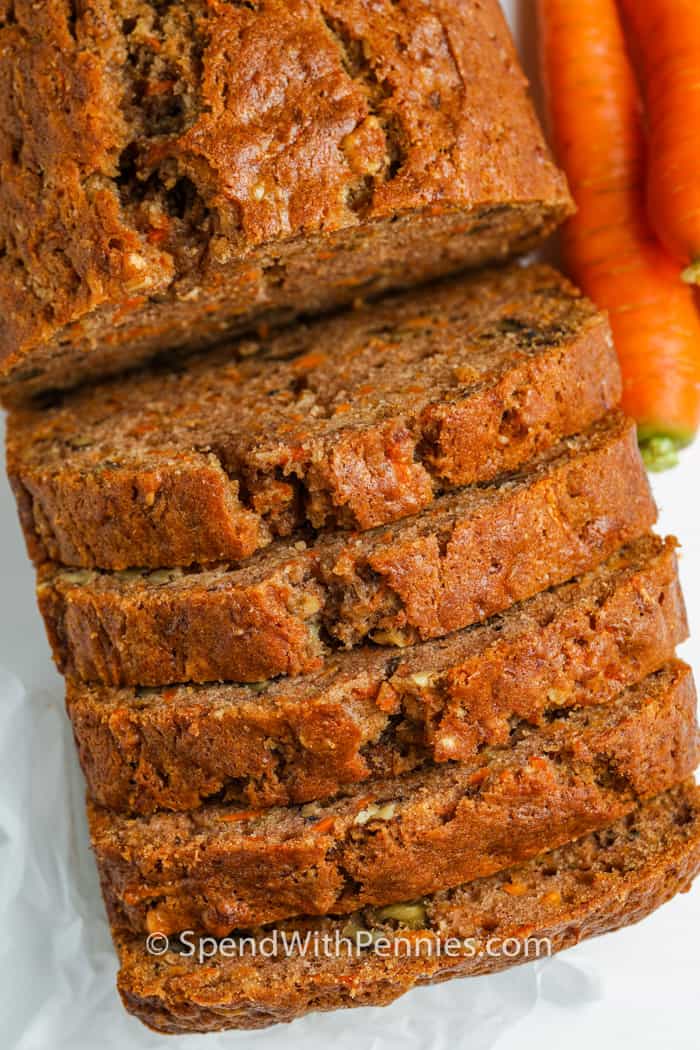
Simple Carrot Bread Recipe: Perfect Spiced Warmth for Breakfast & Snacks
There are few aromas as comforting and inviting as a freshly baked loaf cooling on the counter. Among the pantheon of quick breads,
homemade carrot bread stands out as a true star, offering a unique blend of earthy sweetness, warming spices, and an irresistibly moist texture. It's more than just a treat; it's a hug in every slice, transforming any morning or afternoon snack into a moment of pure bliss. Forget the store-bought versions; creating your own carrot bread from scratch is a surprisingly simple endeavor that yields incredibly rewarding results, filling your kitchen with an intoxicating fragrance and your belly with wholesome goodness.
Why Embrace the Joy of Homemade Carrot Bread?
Baking a loaf of
homemade carrot bread is a delightful experience that transcends mere sustenance. It’s an act of comfort, a creative outlet, and a surefire way to bring warmth and cheer into your home. Here’s why this humble quick bread deserves a permanent spot in your baking repertoire:
- A Sensory Symphony: From the moment you begin grating fresh carrots and measuring out fragrant cinnamon and nutmeg, your senses are engaged. The aroma that wafts from the oven as it bakes is utterly intoxicating, promising a taste experience that delivers on its fragrant promise. Imagine waking up to that smell, or walking into your kitchen after a long day to find it lingering.
- Versatility Personified: Whether you’re looking for a wholesome breakfast option, a satisfying afternoon snack, or a lighter alternative to a heavy dessert, carrot bread fits the bill. It pairs beautifully with a cup of coffee or tea, can be enjoyed plain, slathered with butter, or even dressed up with a light cream cheese glaze.
- Wholesome Goodness: Packed with fresh carrots, this bread naturally incorporates vegetables into your diet in a delicious way. While it contains sugar, the presence of carrots, and the option to use whole wheat flour or reduce sugar, makes it feel like a healthier indulgence compared to many other baked goods.
- Surprisingly Easy: Don’t let the exquisite results intimidate you. Quick breads like carrot bread are incredibly forgiving and don’t require yeast or extensive kneading. If you can mix wet and dry ingredients, you can bake a fantastic loaf of carrot bread. It's often compared to banana bread in its simplicity and comforting appeal.
- Freezer-Friendly: One of the unsung heroes of quick breads is their ability to freeze beautifully. Bake a couple of loaves, enjoy one now, and save the rest for a busy week or an unexpected guest. This makes it perfect for meal prepping or ensuring you always have a comforting treat on hand.
Crafting the Perfect Loaf: Essential Ingredients & Savvy Substitutions
The magic of a truly great
homemade carrot bread lies in a thoughtful combination of everyday ingredients, each playing a crucial role in creating that coveted moist, fluffy texture and rich, spiced flavor. Understanding these components also unlocks a world of delicious substitutions for dietary needs or pantry improvisation.
Dry Ingredients: The Foundation of Flavor & Structure
- All-Purpose Flour: This forms the primary structure of your bread, ensuring a tender crumb. For a slightly denser, nuttier, and more fiber-rich loaf, you can substitute up to half of the all-purpose flour with whole wheat flour. Experimenting with different flour ratios can lead to delightful variations in texture.
- Baking Powder & Baking Soda: These are your leavening agents, crucial for giving the bread its rise and lightness. Baking soda often works in conjunction with acidic ingredients (like brown sugar or applesauce in this recipe) to create lift and a tender texture. Ensure yours are fresh for optimal results!
- Salt: Don't skip it! Salt balances the sweetness and enhances all the other flavors, preventing the bread from tasting bland.
- Spices (Cinnamon, Nutmeg, Ginger): This is where the warmth and signature character of carrot bread truly shine. Ground cinnamon is non-negotiable, offering a sweet, woody warmth. Nutmeg adds a deeper, slightly musky sweetness. An optional touch of ground ginger can provide a subtle peppery kick, elevating the overall spice profile without overpowering the carrot. Feel free to adjust quantities to your preference – some bakers even add a pinch of allspice or cardamom for complexity.
Wet Ingredients: The Secret to Moisture & Richness
- Granulated & Brown Sugar: Using both sugars provides a balanced sweetness and depth. Granulated sugar offers clean sweetness, while brown sugar (especially light brown sugar) contributes molasses notes and extra moisture, thanks to its sticky texture. For those looking to reduce sugar, you can slightly decrease the total amount, but significant reductions may alter texture. Natural alternatives like honey or maple syrup can work, but require careful adjustments to liquid ratios.
- Eggs: Eggs bind the ingredients, add richness, and contribute to the bread's structure and moisture. Using large eggs at room temperature helps them incorporate more evenly into the batter.
- Vegetable Oil: This is a powerhouse for moisture, yielding a very tender crumb. Neutral oils like canola, sunflower, or grapeseed are ideal as they don't impart strong flavors. Melted coconut oil can be a good substitute for a subtle tropical hint, and applesauce is a fantastic, lighter alternative that adds natural sweetness and a great deal of moisture without extra fat. Combining oil and applesauce, as this recipe suggests, is an excellent strategy for balancing richness and lightness.
- Unsweetened Applesauce (or Plain Yogurt): A secret weapon for moisture and tenderness without adding extra fat. It also contributes a subtle fruity note that complements the carrots and spices beautifully. Plain yogurt or sour cream can be used interchangeably for similar benefits, adding a slight tang.
- Vanilla Extract: A crucial flavor enhancer that rounds out the sweetness and spice, adding a comforting aromatic note. Don't underestimate its importance!
Main Ingredients: The Heart of the Loaf
- Finely Grated Carrots: This is where the magic truly happens! Freshly grated carrots are paramount for the best flavor and moisture. Their natural sweetness intensifies during baking. While pre-grated carrots can work in a pinch, they tend to be drier and can lack the vibrant freshness of home-grated ones. Aim for a fine grate; this helps distribute moisture evenly and ensures a smooth, tender crumb, avoiding chunky bits. For a fun twist, you can even incorporate a portion of shredded zucchini for an extra moisture boost and to use up garden bounty.
- Chopped Walnuts or Pecans (Optional): Nuts add a wonderful textural contrast and a nutty depth of flavor. If you have nut allergies, simply omit them or substitute with sunflower or pumpkin seeds for a similar crunch. Lightly toasting the nuts before adding them can deepen their flavor significantly.
Mastering the Art of Moist and Fluffy Carrot Bread
Achieving that perfectly moist, tender, and fluffy texture in your
homemade carrot bread is easier than you think, especially when you understand a few key principles. It's not just about the ingredients; it's also about the technique. For more in-depth techniques on consistent results, consider checking out this guide:
Easy Homemade Carrot Bread: Bake Moist & Fluffy Loaves Every Time.
- The Gentle Mix: This is perhaps the most crucial tip for any quick bread. When combining your wet and dry ingredients, stir just until they are *barely* combined. Overmixing develops the gluten in the flour, leading to a tough, dense bread. Lumps in the batter are perfectly fine; they'll disappear during baking. A gentle hand with a spatula or wooden spoon is all you need.
- Finely Grate Your Carrots: As mentioned before, fine grating is key. Large chunks of carrot can disrupt the crumb, leading to a less uniform texture and potentially drier spots. A food processor with a grating attachment makes this task incredibly quick and easy.
- Don't Overbake: Overbaking is the arch-nemesis of moist bread. Keep a close eye on your loaf as it nears the suggested baking time (around 50-60 minutes). The toothpick test is your best friend: insert a wooden skewer or toothpick into the center of the loaf. If it comes out clean or with a few moist crumbs attached, your bread is done. If there's wet batter, bake for a few more minutes, checking frequently. The top should also be golden brown, and the edges might start to pull away from the pan.
- Cooling with Care: Resist the urge to immediately slice into your hot loaf! Allow the bread to cool in the baking pan for about 10-15 minutes. This allows the internal structure to set and steam to redistribute, preventing a soggy bottom. After this initial cooling, transfer the loaf to a wire rack to cool completely. Cooling on a wire rack allows air to circulate around all sides, preventing condensation and ensuring a perfect texture throughout.
- Accurate Measurements: Baking is a science, and quick breads benefit greatly from precise measurements. Especially with flour, avoid scooping directly from the bag, which can compact it. Instead, spoon flour into your measuring cup and level it off with a straight edge.
Serving Suggestions & Storage Tips
Once your fragrant loaf of
homemade carrot bread has cooled, the real fun begins! While it's utterly delicious on its own, here are a few ways to elevate your experience:
- Classic Companions: A simple spread of butter, a dollop of cream cheese, or even a light dusting of powdered sugar makes for a delightful treat.
- Sweet Pairings: A thin layer of homemade cream cheese frosting turns it into a more decadent dessert, reminiscent of carrot cake. For a healthier option, try it with a swirl of plain Greek yogurt and a drizzle of honey.
- Beverage Pairings: Carrot bread is the perfect accompaniment to your morning coffee, afternoon tea, or a glass of cold milk.
For storage, ensure your bread is completely cool before wrapping it. Store in an airtight container at room temperature for up to 3-4 days to maintain its moisture. For longer storage, you can refrigerate it for up to a week.
One of the greatest advantages of quick breads is their freezer-friendliness. For detailed instructions on how to best preserve your delicious creation, this resource offers fantastic advice:
The Ultimate Homemade Carrot Bread: Flavorful, Moist & Freezer-Friendly. Wrap individual slices or a whole loaf tightly in plastic wrap, then aluminum foil, and freeze for up to 3 months. Thaw at room temperature or gently warm in the microwave or oven for a fresh-baked taste.
Conclusion
Baking a loaf of
homemade carrot bread is a rewarding experience that offers a perfect blend of comfort, flavor, and wholesome goodness. With its tantalizing aroma, moist texture, and warmly spiced notes, it's a truly versatile treat that brightens any breakfast or snack time. By following these simple tips and embracing the joy of fresh, quality ingredients, you’ll undoubtedly bake a loaf that receives rave reviews and becomes a cherished staple in your home. So, gather your ingredients, preheat your oven, and prepare to fill your kitchen with the irresistible scent of pure comfort. Happy baking!